Why Durability and Insulation Matter When Choosing the Right Ice Bath Tub for Your Backyard or Indoor Gym
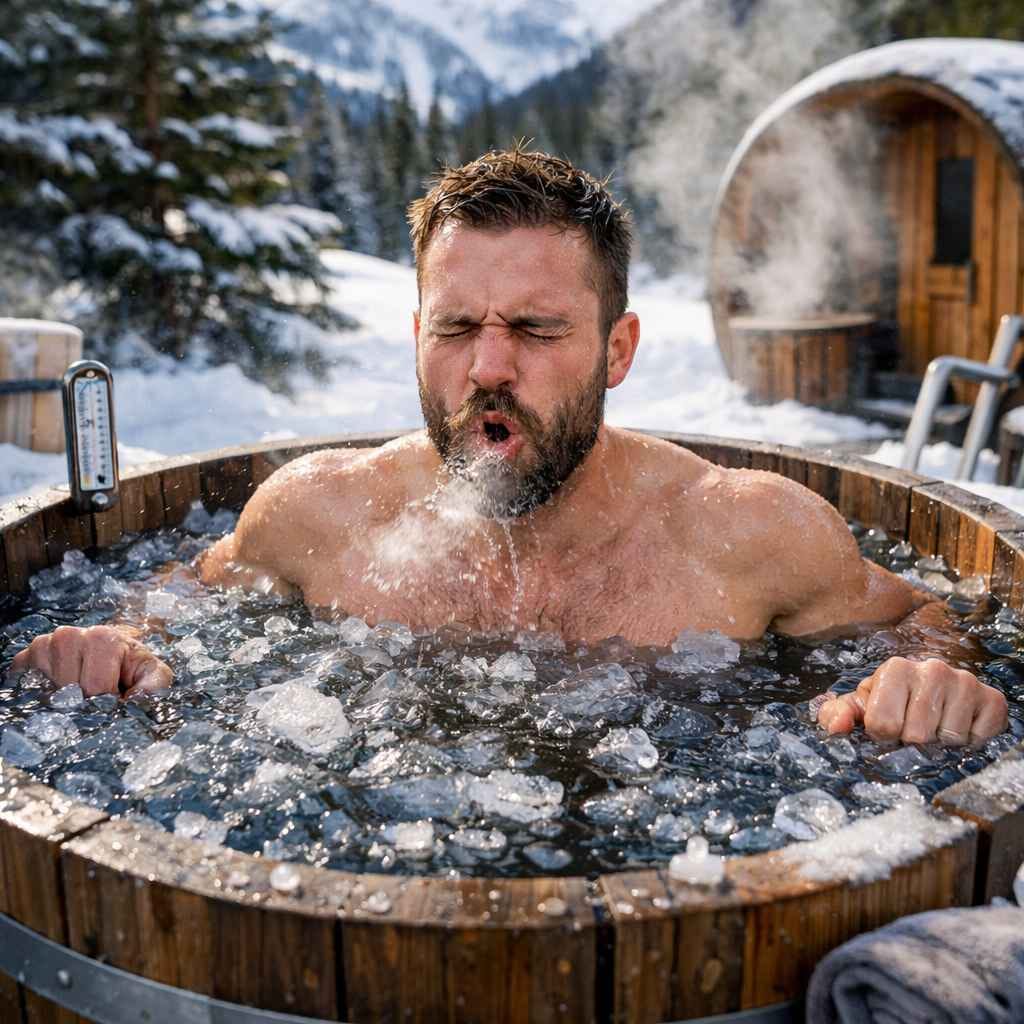
The rise of cold water therapy has transformed from a niche recovery method for professional athletes into a mainstream wellness practice. Whether you are aiming to improve muscle recovery, boost your immune system, or enhance mental resilience, the equipment you choose defines your experience. If you are looking to integrate cold therapy into your daily routine, selecting the right ice bath tub is an investment that requires careful consideration. Many newcomers prioritize aesthetics or price, yet seasoned practitioners know that true longevity and effectiveness depend on two critical factors: structural durability and thermal insulation.
Choosing a high-quality unit, such as a commercial cold plunge, ensures that your equipment can handle the rigors of frequent use while maintaining the precise temperatures necessary for cold thermogenesis. In this guide, we explore why these two pillars—durability and insulation—are the primary determinants of a successful investment in your physical recovery.
The Foundation of Excellence: Why Durability Defines Your Investment
A cold plunge is not a static piece of furniture. It is a vessel designed to hold significant volumes of water at extreme temperature differentials compared to the ambient air. When you search for cold plunge tubs, you will encounter a wide range of materials, from inflatable plastics to heavy-duty stainless steel. The durability of the unit is the single most important factor in preventing leaks, structural warping, and material degradation over time.
Material Science and Construction Quality
Durability is not just about the thickness of the shell; it is about how the material reacts to constant thermal stress. Materials such as high-grade acrylic, marine-grade stainless steel, or rotomolded polyethylene are preferred in the industry because they resist the physical pressure of water and the chemical wear caused by sanitization agents like chlorine or ozone.
When evaluating a commercial cold plunge, look for reinforced frames. These units are built to withstand the weight of water, which exerts significant pressure on the walls of the tub. If the frame lacks structural integrity, the tub may develop microscopic cracks that lead to costly leaks. Furthermore, outdoor installations demand UV-resistant materials. Constant exposure to sunlight can embrittle low-quality plastics, leading to cracks that render the tub unusable. Investing in a durable unit ensures that your recovery tool lasts for years rather than months, effectively lowering your cost per use over the lifespan of the equipment.
For those interested in the scientific parameters of temperature control in various materials, it is helpful to understand the thermodynamics of cooling, which dictates how different materials transfer heat away from the body during the immersion process.
The Role of Insulation in Efficiency and Cost Management
While durability keeps the unit intact, insulation makes the experience sustainable. Many entry-level ice bath tub models are essentially simple basins without dedicated cooling systems or thermal barriers. While these work for a basic ice-in-water setup, they are incredibly inefficient. If you are serious about cold therapy, you need a system that holds its temperature without requiring you to haul bags of ice every single morning.
Thermal Retention and Energy Savings
High-quality insulation serves two purposes. First, it maintains the target water temperature by preventing heat transfer from the environment into the tub. Second, it reduces the workload on the refrigeration unit. If a tub is poorly insulated, the cooling system must run constantly to counteract the warming effects of the ambient air. This leads to excessive energy consumption and significantly shortens the lifespan of your pump and chiller components.
The best cold plunge tubs utilize closed-cell foam insulation, often integrated directly between the shell and the exterior paneling. This setup creates a thermal envelope that keeps the water cold even on the hottest summer days. By prioritizing advanced insulation, you ensure that your cold plunge is ready whenever you are, without a massive spike in your monthly electricity bill. According to recent insights in the wellness industry, the ability to maintain consistent temperatures is a growing trend in home recovery infrastructure, highlighting how efficiency has become a priority for modern fitness enthusiasts.
Designing Your Space: Backyard Versus Indoor Gym
The environment in which you place your tub changes your requirements for both durability and insulation. Whether you are setting up a private sanctuary in your backyard or integrating a unit into an indoor gym, these factors remain paramount.
Outdoor Considerations
For backyard installations, weatherproofing is non-negotiable. You need a unit that is rated for outdoor use, which implies high-grade insulation that can resist extreme heat or cold. If your tub is not properly insulated, the summer sun will force your cooling system to work overtime, and the winter cold might cause pipes to freeze if they are not correctly protected.
Indoor Gym Integration
If you are placing your unit inside, your concerns shift toward moisture control and noise. A commercial cold plunge designed for indoor use often features whisper-quiet cooling systems and high-quality exterior finishes that fit professional gym environments. Because indoor humidity can lead to mold or surface degradation if the unit "sweats," superior insulation is again the key. A well-insulated tub will not develop condensation on the outside shell, protecting your gym floors and surrounding equipment from water damage.
For a deeper dive into the health implications and physiological definitions of cold therapy, refer to the Wikipedia entry on cold-water immersion, which outlines the technical mechanisms behind the practice.
Professional Standards: Why Quality Beats Convenience
When you transition from casual dipping to a structured recovery protocol, the equipment needs to evolve with you. Professionals in the fitness and medical fields emphasize that consistency is the most important variable in recovery. If you have to spend twenty minutes preparing your ice bath tub with ice bags and cleaning debris from an unsealed unit, you are less likely to stick to your routine.
Commercial-grade systems are designed for high throughput. They include advanced filtration, circulation, and ozone or UV sanitation systems. These components rely heavily on the integrity of the tub's insulation and shell. When you combine these features, you create a system that is essentially "set and forget." This allows you to focus entirely on the recovery process, which according to Forbes business and health reporting, is the key to maximizing the neurological and physical benefits of deliberate cold exposure.
By choosing a unit with a robust design, you are not just buying a basin; you are buying the infrastructure for a healthier lifestyle. The combination of structural durability, which protects your physical investment, and high-performance insulation, which protects your time and energy, creates the ultimate recovery experience.
Conclusion
Selecting the right cold plunge is a decision that balances immediate comfort with long-term performance. Whether you are looking for a commercial cold plunge for a professional gym or high-quality cold plunge tubs for a personal home studio, the focus must remain on the build quality. An ice bath tub that features industrial-grade durability and superior thermal insulation will provide a more consistent, hygienic, and cost-effective experience than a lower-tier alternative.
Do not settle for hardware that will degrade under the stress of daily thermal cycling or units that force you to waste time on manual maintenance. Prioritize the materials and engineering that guarantee resilience. Your recovery routine is a commitment to your long-term health, and your equipment should be built to honor that commitment.