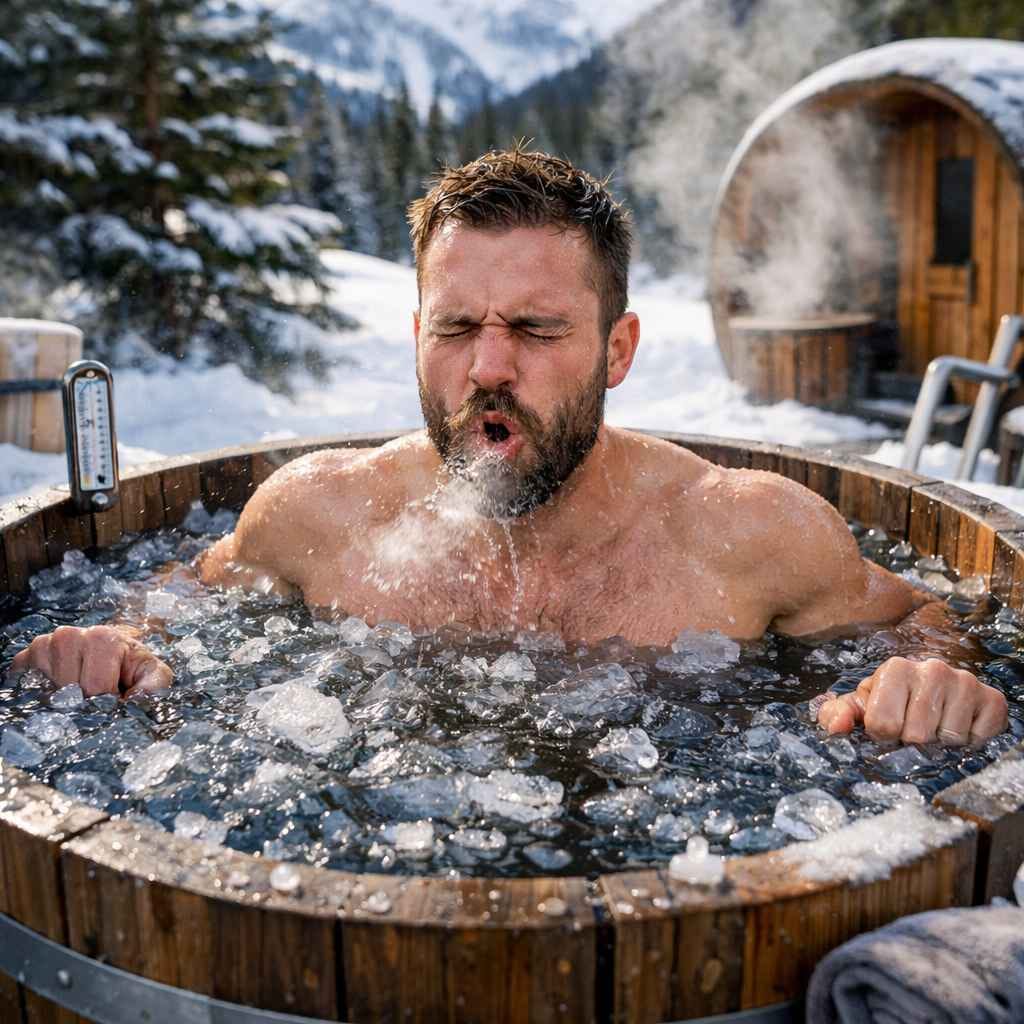
What You Should Know About the Weight and Structural Requirements of Installing a Home Ice Bath Tub
Introduction
Cold plunge therapy has moved from elite athletic facilities into ordinary backyards, garages, and bathrooms. More people than ever are searching for an ice bath tub they can use daily, without the drive to a gym or wellness center. It is easy to get swept up in the excitement of picking a model, choosing a color, and imagining the first plunge. What often gets overlooked, though, is a much less glamorous but far more important question: can your home actually support it?
Unlike a bathtub filled with a few inches of water, cold plunge tubs are designed to hold hundreds of gallons of water plus ice, and that combination adds up to a serious amount of weight. Whether you are considering a compact ice bath tub for a spare bathroom or a full commercial cold plunge for a home gym, understanding the structural demands involved is not optional. It is the difference between years of safe, reliable use and a costly, potentially dangerous mistake.
This article walks through the weight realities of cold plunge tubs, the structural considerations for different types of flooring and locations, and the practical steps you should take before installation. By the end, you will have a clear framework for evaluating whether your home is ready, and what to do if it is not quite there yet.
Understanding the Real Weight of a Cold Plunge Tub
The first step in any installation plan is getting an honest sense of how much weight is actually involved. Many buyers assume that because a cold plunge tub looks similar in size to a standard bathtub, it will weigh about the same when filled. This assumption is where most planning mistakes begin.
A typical home ice bath tub holds anywhere from 80 to 150 gallons of water, and larger units designed for multiple users or extended sessions can hold significantly more. Water alone weighs about 8.34 pounds per gallon, so a 100-gallon tub is carrying roughly 834 pounds of water before anyone even considers the ice. Add ice to bring the water down to therapeutic temperatures, typically between 39 and 55 degrees Fahrenheit, and you can easily add another 100 to 300 pounds depending on how cold you want the plunge and how the unit maintains temperature.
Then there is the tub itself. Materials range from lightweight rotomolded plastic, similar to what is used in high-end coolers, to stainless steel, acrylic, or wood-clad fiberglass shells. Empty tub weights can range from 50 pounds for a basic inflatable or portable model to several hundred pounds for a premium stainless steel commercial cold plunge with built-in chillers and filtration systems.
Add the user's body weight, and a fully loaded cold plunge setup can easily reach 1,000 to 1,500 pounds concentrated in a relatively small footprint. That concentration matters as much as the total number. A weight distributed across a large area puts far less stress on any single point than the same weight sitting on a tub with a narrow base or feet.
Before purchasing, get the manufacturer's specifications for empty weight, maximum fill capacity, and footprint dimensions. Reputable sellers of commercial cold plunge equipment will provide this data clearly, and if a company is vague about these numbers, that is worth treating as a red flag.
Structural Requirements: Floors, Framing, and Load Limits
Once you know the total weight your ice bath tub will impose, the next question is whether your home's structure can handle it. This is where the conversation shifts from marketing to engineering, and it is worth taking seriously.
Residential floors are generally built to support what is called a live load of 40 pounds per square foot in living areas, though this can vary by building code and region. That standard is meant to account for furniture, foot traffic, and normal household items evenly spread across a room. A cold plunge tub, however, does not spread its weight evenly. Depending on the tub's base design, that 1,000-plus pounds may be resting on a footprint of just a few square feet, which can translate into a load well beyond what standard residential framing was designed to bear.
This is particularly important for installations above ground level. A cold plunge tub placed in a first-floor room built on a concrete slab is generally in a much safer position than the same tub placed in an upstairs bathroom or a room built over a crawl space with standard joists. Second-floor installations should almost always involve a conversation with a structural engineer or licensed contractor, who can assess joist spacing, span length, and whether additional support, such as sistering joists or adding a support beam, is needed.
Ground-level installations are not automatically exempt from scrutiny either. Older homes, additions built without proper permitting, or rooms with unusual framing can still present risks. A poured concrete slab is typically the most forgiving surface for a heavy ice bath tub, since it distributes load broadly and does not flex the way a wood-framed floor does. If your plunge will sit on a wood subfloor, even at ground level, it is worth having someone confirm the joist size, spacing, and condition before committing to a spot.
Outdoor installations bring their own version of this question. A deck, patio, or backyard pad needs to be evaluated the same way an indoor floor would be. Decks in particular are often built for foot traffic and furniture, not for a static, concentrated load approaching half a ton or more. Reinforcing a deck or pouring a small dedicated concrete pad are both common solutions homeowners choose when placing a commercial cold plunge or ice bath tub outside.
Water Access, Drainage, and Electrical Considerations
Weight and structure are the headline concerns, but they are not the only practical issues that come with installing a cold plunge tub at home. A well-planned installation also accounts for water supply, drainage, and power, since these affect both convenience and safety.
Filling a large ice bath tub with a garden hose can take a long time, and repeated manual filling gets old quickly. Many homeowners choose to install a dedicated water line near the plunge location, which also makes water changes and maintenance far easier over time. Drainage deserves equal attention. Some tubs come with built-in filtration and chiller systems that recirculate the same water for weeks or months, reducing how often you need to drain and refill. Others require manual draining, which means you need a nearby floor drain, a way to pump water out, or at minimum, a location where wastewater can be safely directed without damaging flooring or landscaping.
Electrical needs vary widely depending on the type of unit. A simple ice-and-water setup with no mechanical components has no electrical requirements at all, but most modern commercial cold plunge systems include a chiller, filtration pump, and sometimes an ozone or UV sanitation system. These typically require a dedicated circuit, and higher-end chillers may need a 220-volt line similar to what a dryer or large air conditioner uses. Running these systems on an overloaded circuit shared with other appliances can trip breakers repeatedly or create a fire risk over time, so it is worth having an electrician confirm your home's capacity before installation day.
Humidity and moisture are the last piece of this puzzle. Placing an ice bath tub in a room without adequate ventilation can lead to condensation, mold growth, or damage to nearby drywall and flooring over months of regular use. Bathrooms and basements with proper ventilation or dehumidification tend to handle this best, while a converted closet or poorly ventilated room can turn into a moisture problem faster than expected.
Choosing the Right Location and Getting Professional Input
With the weight, structural, and utility considerations in mind, the final step is matching all of this information to an actual location in your home. This is where theory meets practice, and where a bit of caution goes a long way.
Garages and basements with concrete slab floors are generally the easiest and safest starting point for a home cold plunge tub. These spaces typically already handle heavy equipment like washers, dryers, or workout gear, and the slab foundation removes most of the concern about joist load. They also tend to have better drainage options and are less likely to suffer moisture damage compared to finished living spaces upstairs.
If a basement or garage is not available, a ground-level mudroom, laundry room, or dedicated wellness room can work well, provided the floor is concrete or the wood framing has been verified by a professional. Upstairs installations are possible but should never be assumed safe without a structural assessment, since the cost of a professional consultation is minor compared to the cost of a floor failure.
It is also worth thinking ahead about long-term placement. Moving a filled cold plunge tub is not realistic, so choosing a location you will be happy with for years, not just months, saves a lot of hassle. Consider proximity to a water source, ease of drainage, ventilation, and whether the room offers enough privacy and comfort for a consistent routine.
Consulting with a structural engineer or contractor before installation is not an overreaction, even for smaller ice bath tub models. A short home visit or even a review of photos and measurements can confirm whether your chosen spot needs reinforcement, and this small step protects both your investment and your home. Many contractors have handled similar requests for hot tubs, home gyms, or large aquariums, all of which carry comparable weight and structural questions, so this kind of assessment is a familiar task for most professionals in the field.
Conclusion and Call to Action
A home ice bath tub can be one of the most rewarding additions to a wellness routine, offering the same recovery and mental clarity benefits once reserved for professional athletes and specialized facilities. But that reward depends on getting the fundamentals right before the first fill. Understanding the true weight of a filled cold plunge tub, evaluating your floor and framing, and planning for water, drainage, and electrical needs are not optional extras. They are the foundation, quite literally, of a safe and lasting setup.